Save the Family Organization (STFO) is a community-based, non-governmental organization established in 2022 and registered with Afghanistan’s Ministry of Economy (MoEC) under registration number 5726. STFO is dedicated to improving the well-being of vulnerable families and marginalized communities across Afghanistan by enhancing access to social services, quality education, sustainable livelihoods, agriculture, and effective irrigation systems. Our work is rooted in community participation and evidence-based approaches that respond to identified needs and local priorities. Through inclusive and community-driven interventions, STFO aims to strengthen resilience, improve household livelihoods, and create sustainable opportunities that enable individuals and communities to live with dignity and self-reliance. We place strong emphasis on accountability, safeguarding, and protection principles to ensure that all beneficiaries, staff, volunteers, and partners are treated with dignity, protected from harm, and supported through safe, ethical, and transparent systems.
To build resilient and inclusive communities across Afghanistan where vulnerable families and marginalized groups have equitable access to essential services, quality education, sustainable livelihoods, and agricultural opportunities—empowering them to live with dignity and achieve long-term well-being.
Save the Family Organization (STFO) works to empower vulnerable families and marginalized communities through inclusive, community-based, and sustainable interventions that:
• Improve access to social and educational services.
• Strengthen food security and livelihoods through agriculture and economic development initiatives.
• Promote sustainable irrigation and water resource management.
• Build resilience and local capacity; and
• Ensure protection, safeguarding, accountability, and community participation in all aspects of our work.


Traditional humanitarian interventions have often focused on delivering isolated sector-specific services. While such interventions provide immediate benefits, they frequently fail to address the interconnected challenges faced by vulnerable households.
For example:
• A child may receive access to education through a community-based class, but if that child's family experiences severe poverty, food insecurity, psychological stress, and lack of access to safe drinking water, the educational benefits become significantly limited.
• A hungry child struggles to learn effectively.
A family facing protection risks and psychological distress cannot fully participate in community activities.
• A household without access to safe drinking water faces increased health risks, reducing productivity and educational participation.
• Addressing a single need while neglecting other critical vulnerabilities often creates only partial and short-term outcomes.
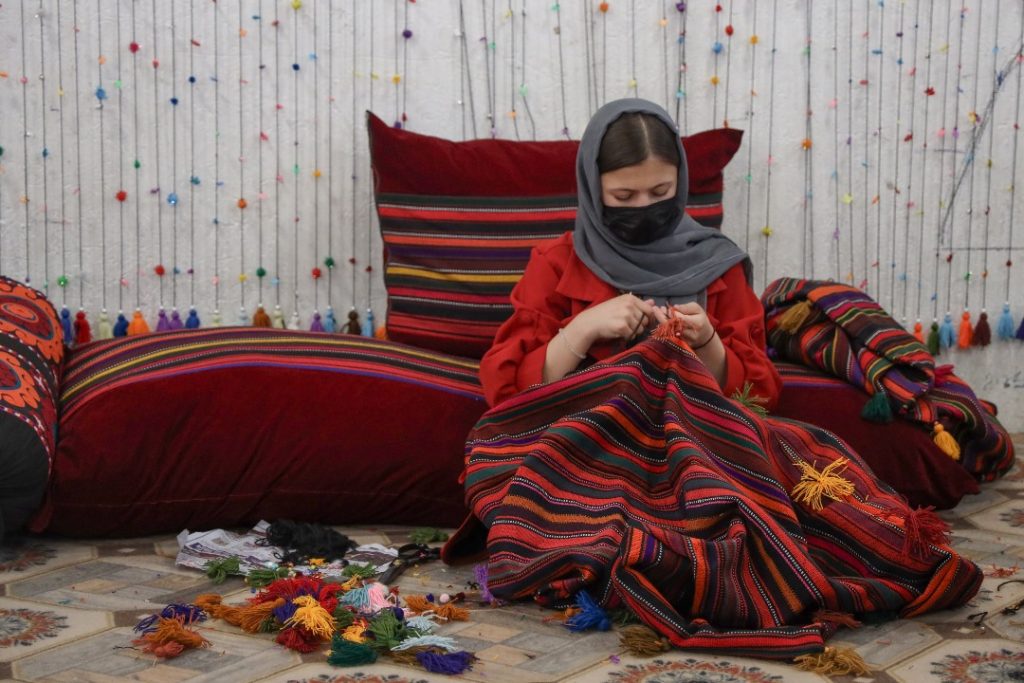
The Save the Family Module is an integrated family-centered intervention package designed to support highly vulnerable families through multiple interconnected services delivered simultaneously.
Under STFM, selected households will be assessed against predefined vulnerability criteria and receive a tailored package of support based on identified needs.
Potential target groups include:
• Women-headed households
• Internally displaced populations
• Returnee families
• Extremely poor households
• Families with orphaned or vulnerable children
• Families affected by protection risks
• Marginalized communities
As part of STFM implementation, STFO plans to establish community-based classes within selected communities where a qualified female teacher exists within a beneficiary family.
Under this model:
• A selected vulnerable family receives integrated support services
•
The qualified female family member becomes involved in education delivery
•
Community children gain access to education opportunities
•
Household income opportunities improve
•
The community develops local ownership and sustainability
This model transforms vulnerable households from aid recipients into active contributors and community resources.
Selected families may receive:
Education Support
• Community-based education classes
• Learning materials
• Educational support services
• Educational support services
Protection and Social Services
• Case management
• Psychosocial support
• Child protection services
• Safeguarding and referral systems
Livelihood Support
• Vocational training
• Income generation activities
• Household economic strengthening
• Household economic strengthening
Agriculture and Water Support
• Household gardens
• Irrigation support
• IrWater access solutions
• Agricultural inputs
Market Linkage
• Business support
• Community economic connections
• Market access opportunities
The STFM approach seeks to create long-term outcomes including:
•
Increased school participation
•
Improved family income
•
Improved food security
•
Better psychosocial well-being
•
Reduced protection risks
•
Increased access to clean drinking water
•
Strengthened community resilience
•
Reduced dependency on humanitarian assistance
STFO believes that empowering the family as a complete unit creates stronger and more sustainable outcomes than isolated interventions. Through STFM, vulnerable families move beyond short-term assistance and gain pathways toward dignity, resilience, and self-reliance.